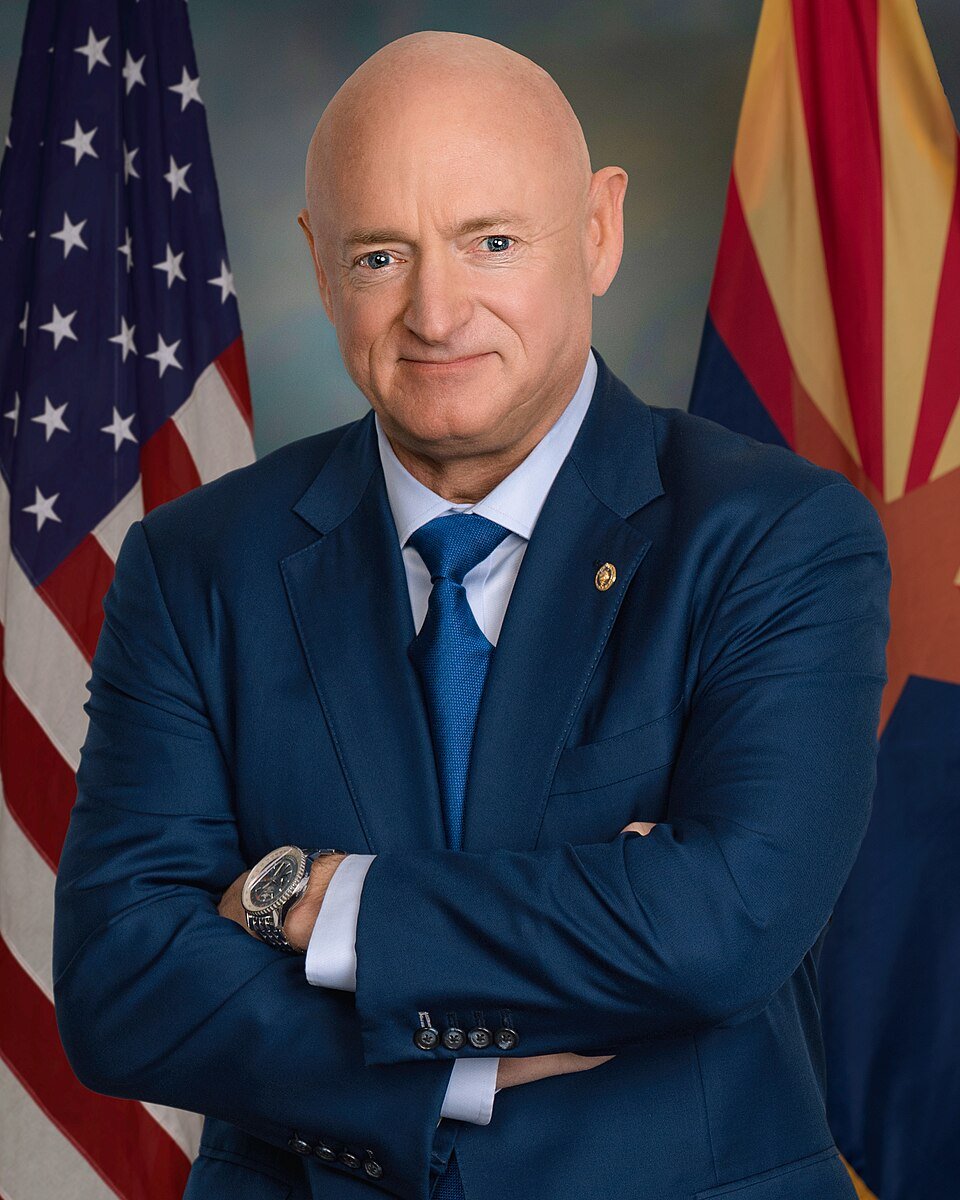
Pentagon Cuts Mark Kelly Military Retirement Pay After ‘Illegal Orders’ Video
Pentagon cuts Mark Kelly military retirement pay following an administrative review tied to a controversial video, triggering sharp debate over free speech, military discipline, and political retaliation.
A political and military firestorm erupted this week after the Pentagon confirmed it is moving to reduce Sen. Mark Kelly’s military retirement pay, triggering fierce debate in Washington over free speech, civil-military relations, and whether the U.S. Department of Defense crossed a line by punishing a retired officer for political speech.

At the center of the controversy is an online video in which Kelly, alongside other Democratic lawmakers, urged service members to refuse illegal orders. The Pentagon now argues that the video constituted reckless misconduct and may violate standards under the Uniform Code of Military Justice (UCMJ), even though Kelly retired years ago as a Navy captain.
The decision marks one of the rarest and most explosive examples of a Pentagon administrative action being used against a sitting U.S. senator.
What Happened and Why It Matters
According to multiple reports, including Mark Kelly retirement pay CNN coverage, the Pentagon has initiated a retirement grade determination process that could downgrade Kelly’s final rank. Such a move would directly affect his military pension, resulting in a military retirement pay cut.
If finalized, the decision would mean the Pentagon cuts Mark Kelly retirement pay not because of battlefield conduct or criminal wrongdoing, but because of speech made after his retirement and entry into politics.
For supporters of Kelly, the move looks like political retaliation. For critics, it is about preserving discipline and order within the U.S. military.
Either way, the implications are enormous.
The Video That Sparked the Pentagon Punishment
The controversy centers on an illegal orders video shared online earlier this year. In the video, Kelly and five other Democratic lawmakers speak directly to service members, reminding them that they are not obligated to carry out unlawful commands.
The message emphasized constitutional principles and the duty of troops to uphold the law over politics. However, Pentagon officials later claimed the video could undermine chain-of-command authority and encourage insubordination.
That assessment led to what is now being described as a Pentagon punishment of Mark Kelly, framed as a disciplinary response rather than a political act.
Pete Hegseth and the Pentagon’s Position
The action was reportedly approved under the watch of U.S. Defense Secretary Pete Hegseth, a key figure now tied to the decision through what critics call the Pete Hegseth Mark Kelly punishment.
Pentagon officials argue the move is lawful and falls under 10 U.S.C. retirement grade proceedings, which allow the military to reassess retirement rank if misconduct is alleged.
They insist the review is administrative, not criminal, and stress that retired servicemembers remain accountable under certain military standards.
Still, legal experts say such actions are exceedingly rare, particularly when linked to political speech.
Mark Kelly’s Background and Military Record
Before entering politics, Arizona Senator Mark Kelly built a distinguished career as a naval aviator and astronaut. He retired from the U.S. Navy as a captain after decades of service, later becoming a U.S. senator representing Arizona.
Supporters point to his long record of leadership and sacrifice, arguing that a military pension reduction over a political video dishonors his service.
“This is not accountability,” one Democratic lawmaker said. “This is intimidation.”
Claims of Retaliation and Free Speech Concerns
Kelly responded forcefully, calling the action “a dangerous precedent” and asserting that the Pentagon cuts military pension Mark Kelly move is retaliation for speaking out.
In a public statement, Kelly defended his remarks as protected under the First Amendment, saying he never encouraged lawlessness, only adherence to the Constitution.
Legal scholars have echoed those concerns, warning that punishing retired officers for political speech could chill participation in democratic debate and blur the line between military authority and civilian government.
A Rare and Controversial Process
The retirement grade determination board is typically used in cases involving serious misconduct, such as corruption or abuse of authority while in uniform. Using it now, critics argue, represents an unprecedented expansion of military discipline into civilian political life.
The board can recommend rank downgrades, which would lower retirement benefits. For Kelly, that could mean a permanent reduction in his military pension.
This is why the story has spread rapidly across Arizona Cardinals news-style political coverage, cable networks, and platforms like AOL and CNN Politics.
Political Reaction in Congress
Reaction in U.S. Congress has been swift and divided.
Democrats accuse the Pentagon of weaponizing military discipline against political opponents. Some have called for hearings within the U.S. Senate Armed Services context, warning that the move threatens constitutional norms.
Republicans, meanwhile, argue that no one is above accountability, and that retired officers should not send messages that could be interpreted as encouraging defiance within the ranks.
The issue has quickly become part of the broader military and constitutional debate dominating Washington.
Broader Implications for Civil-Military Relations
Beyond Kelly himself, the case raises serious questions about retired servicemember accountability and the rights of veterans to engage in political discourse.
Can a retired officer speak freely on matters of law and ethics without fear of punishment? Or does retirement still carry restrictions when speech intersects with military culture?
Experts warn that this case could reshape how the military justice system treats former officers who enter public life.
Biden, Trump, and the Political Context
Though officials deny political motivation, the controversy unfolds against the backdrop of heightened tensions between the Biden administration, the Trump administration, and sharply polarized views of military authority.
Kelly’s critics point to the involvement of Democratic lawmakers in the video, while supporters note that the message aligns with long-standing military law under the UCMJ.
The presence of figures like Donald Trump and Joe Biden in the broader political narrative only intensifies scrutiny of the Pentagon’s decision-making.
What Happens Next
The military justice review process is ongoing. Kelly will have the opportunity to respond formally, and a final decision could take months.
If the pay cut is approved, it could open the door to legal challenges grounded in constitutional law and free speech protections.
For now, the case stands as a flashpoint — a collision between military discipline, political expression, and the rights of those who once wore the uniform.
A Defining Moment
Whether viewed as accountability or overreach, the decision to pursue a Sen. Mark Kelly pay reduction is already reshaping conversations about power, speech, and the limits of military authority.
As the Pentagon moves forward, the outcome will not just affect one retired Navy captain. It may redefine how the United States balances freedom of speech, military accountability, and the role of veterans in public life.
One thing is certain: this controversy is far from over, and its ripple effects will be felt well beyond Arizona and Capitol Hill.
For more updates