Brutal Cold and Relentless Winds Grip the Eastern U.S. as America Rings in 2026
Brutal cold and relentless winds spread across the Eastern U.S. as Americans ring in 2026, bringing plummeting wind chills, winter weather, and dangerous conditions during the New Year’s holiday. The final days of the year are often filled with excitement, reflection, and plans for celebration. But as the calendar turns toward 2026, the weather across much of the United States has its own plans. Cold and windy weather will be felt across the eastern half of the U.S. as we head into the New Year’s holiday, shaping how millions of people experience New Year’s Eve and the first days of the new year.
From the Upper Midwest through the Great Lakes, into the Northeast, and even reaching parts of the Deep South, winter weather is tightening its grip. This is not a brief cold snap that comes and goes quietly. It is a widespread pattern marked by strong winds, below-freezing temperatures, and plummeting wind chills that will make conditions feel harsher than the numbers alone suggest.
A Powerful Winter Pattern Takes Hold
Meteorologists tracking the forecast agree that a large and persistent mass of cold air is settling over the Eastern U.S. This system is pulling frigid air southward and eastward, affecting a wide range of locations at the same time. Unlike isolated winter storms, this pattern covers multiple regions and lasts long enough to influence travel, outdoor events, and daily routines.
The defining feature of this setup is wind. Windy conditions will stretch from the Upper Midwest to the Atlantic coast, increasing the impact of the cold. Even areas accustomed to winter will feel the difference as wind strips away body heat and pushes wind chill values into dangerous territory.
Upper Midwest Feels the Deep Freeze First
The Upper Midwest is once again on the front lines of winter. Cities like Minneapolis are expected to experience sustained cold, with temperatures staying well below freezing for extended periods. Strong winds will drive subzero wind chills, especially overnight and during the early morning hours.
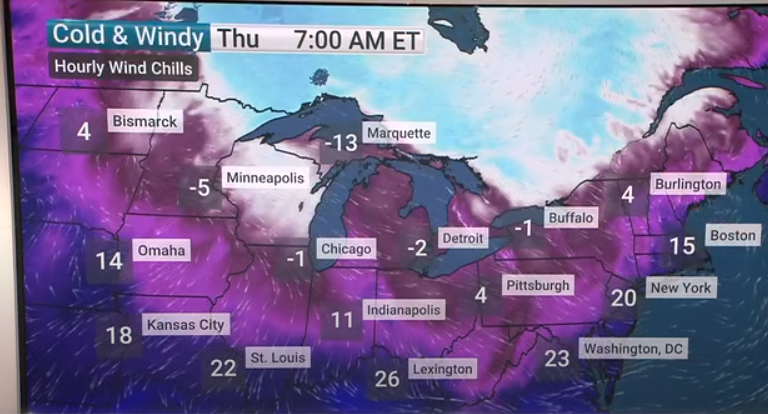
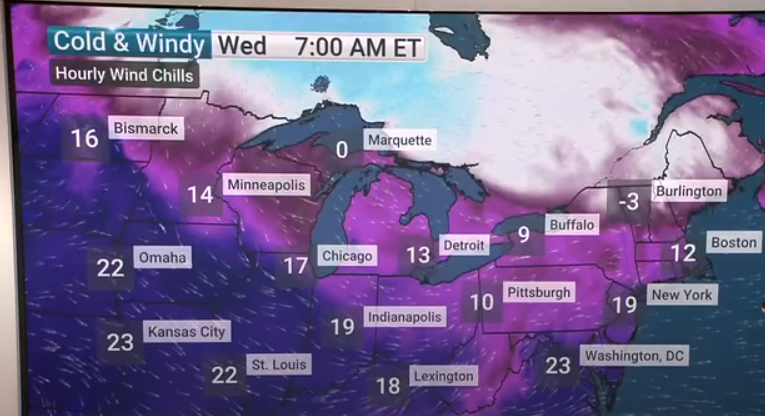
For residents of the region, winter weather is familiar, but timing matters. As Wednesday morning approaches, commuters may face bitter conditions, and those traveling for the New Year’s holiday will need to plan carefully. By Thursday morning, the cold air is expected to be firmly entrenched, with little relief during the day.
Chicago and Detroit Brace for Wind and Cold
Chicago is no stranger to cold winters, but wind off Lake Michigan can make conditions especially uncomfortable. Forecast models show windy weather coinciding with falling temperatures, creating a sharp chill that cuts through heavy coats. Even short trips outdoors may feel unpleasant as wind chills dip well below the actual air temperature.
Detroit faces a similar setup. Positioned near multiple Great Lakes, the city often sees rapidly changing Weather Conditions. As cold air moves in, gusty winds may develop, contributing to plummeting wind chills. These conditions are likely to persist through key timeframes surrounding New Year’s Eve.
Lake-Effect Snow Adds Another Layer
In areas downwind of the Great Lakes, lake-effect snow becomes a major factor. Buffalo, in particular, is watching the forecast closely. When cold air moves over relatively warmer lake waters, narrow but intense snow bands can form quickly.
Lake-effect snow can create sharp contrasts between nearby locations. One area may see heavy snowfall while another remains mostly clear. Combined with windy conditions, blowing snow can reduce visibility and make travel hazardous. For Buffalo and surrounding communities, this type of winter weather is a familiar but serious concern.
Northeast Prepares for a Chilly New Year’s Eve
Across the Northeast, cold air will dominate as the new year approaches. Many cities will remain below freezing throughout the day, with nighttime temperatures falling even further. Outdoor New Year’s Eve celebrations, including public gatherings and fireworks displays, will take place in frigid conditions.
Wind will be a constant factor, making it feel colder than expected. Even where snow is not falling, the cold alone may influence how long people choose to stay outside. Local officials in some Locations may issue advisories urging residents to limit exposure during peak cold hours.
Cold Pushes Into the Deep South
While the most extreme conditions will remain farther north, the Deep South will not escape the chill. Cold air pushing southward will bring temperatures down to levels not often seen in parts of the region.
Florida, especially northern and central areas, may experience some of its coldest conditions of the season. While snow is unlikely, overnight temperatures could approach or dip below freezing in some spots. This has implications for agriculture, outdoor activities, and travel during the holiday period.
Wind Chill Becomes the Main Concern
When discussing winter weather, wind chill often matters more than temperature alone. Wind increases heat loss from the body, making it feel significantly colder. In this pattern, plummeting wind chills are expected to be widespread.
In parts of the Upper Midwest and Great Lakes, subzero wind chills are possible. Even in areas farther south, wind chill values may fall low enough to cause discomfort and potential health risks with prolonged exposure.
This is particularly relevant for New Year’s Eve, when many people plan to be outdoors late at night. Dressing appropriately, covering exposed skin, and limiting time outside will be important safety measures.
Timeframes to Watch Closely
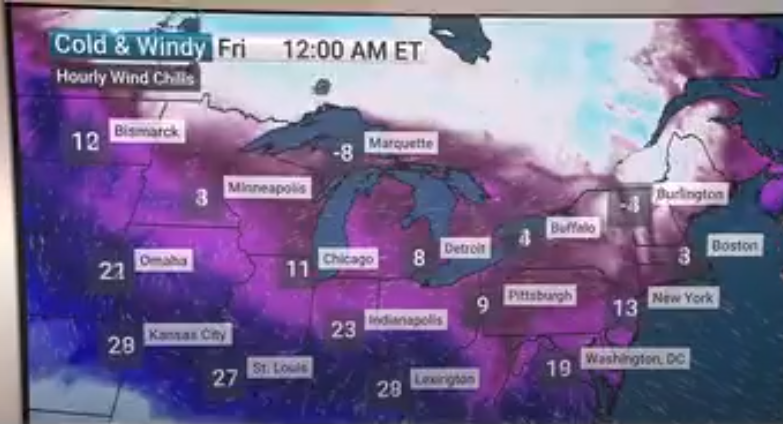
The cold and windy pattern is expected to unfold over several days, making timing a key factor. Wednesday morning may mark the arrival of the coldest air in some regions, while Thursday morning could bring the most widespread and intense conditions.
These timeframes are critical for travelers. Airports, highways, and public transportation systems may all feel the effects, not just from snow but from cold-related challenges such as icy surfaces and mechanical issues.
Winter Storm Devin on the Radar
Adding complexity to the forecast is Winter Storm Devin. Meteorologists are monitoring its development and track closely. While details remain uncertain, any storm interacting with such cold air has the potential to produce snow or mixed precipitation in affected areas.
Even if Winter Storm Devin does not bring widespread impacts, its presence highlights the active nature of winter weather as 2026 begins. Residents are encouraged to stay updated through reliable sources like the Weather Channel for the latest information.
Travel and Holiday Planning
The New Year’s holiday is one of the busiest travel periods of the winter. With cold, windy conditions spreading across the Eastern U.S., planning ahead becomes even more important.
Drivers should prepare for possible delays and carry winter emergency supplies. Travelers should allow extra time and stay informed about changing conditions. Those attending outdoor celebrations should be mindful of the cold and take breaks indoors when possible.
A Classic Winter Reminder
As people ring in 2026, this stretch of weather serves as a reminder of winter’s power. Cold air, wind, and snow are all part of the season, but their impact depends on timing and preparation.
For some, the cold will mean cozy celebrations indoors. For others, it will mean braving the elements with friends and family. Either way, awareness of the forecast and respect for the Weather Conditions will help ensure a safe start to the new year.
Final Outlook
Cold and windy weather will define the final days of the year across much of the eastern half of the country. From Minneapolis to Buffalo, from Chicago to the Northeast, and down into parts of the Deep South and Florida, winter will make its presence known.
As the New Year’s holiday arrives, preparation and flexibility will be key. Winter may set the tone for the first days of 2026, but with the right planning, the celebrations can still go on safely.
source
For more on weather